Washington State University’s Food Processing Extension and Research Program successfully launched its FSPCA Food Traceability Rule (FTR) training this fall, delivering two sessions that prepared food businesses across the region for one of the most significant recordkeeping requirements in recent FDA history.
Dr. Girish Ganjyal, WSU Food Processing Specialist, and Amy Wise, Global Regulatory Affairs Lead Scientist at Starbucks, co-taught the courses. The first session was held August 12 and 13, 2026, in Renton, WA, and the second on September 1 and 2, 2026, in Richland, WA. Established under Section 204 of the Food Safety Modernization Act (21 CFR Part 1, Subpart S), the FTR sets additional traceability recordkeeping requirements for foods on the FDA Food Traceability List. With a compliance date of July 20, 2028, the training arrives at a critical moment for the industry.
The two sessions reflected the Extension mission’s collaborative heart. The Renton training was hosted in partnership with the WSU King County Extension office, led by Director Alyssa Bowers, while the Richland session was supported by the Vice Chancellor’s office at WSU Tri-Cities. Attendees represented the full breadth of the regional food system: industry professionals from small, medium, and large firms across the Pacific Northwest; fellow Extension professionals, including colleagues from UC Davis; and staff from the Washington State Department of Agriculture.
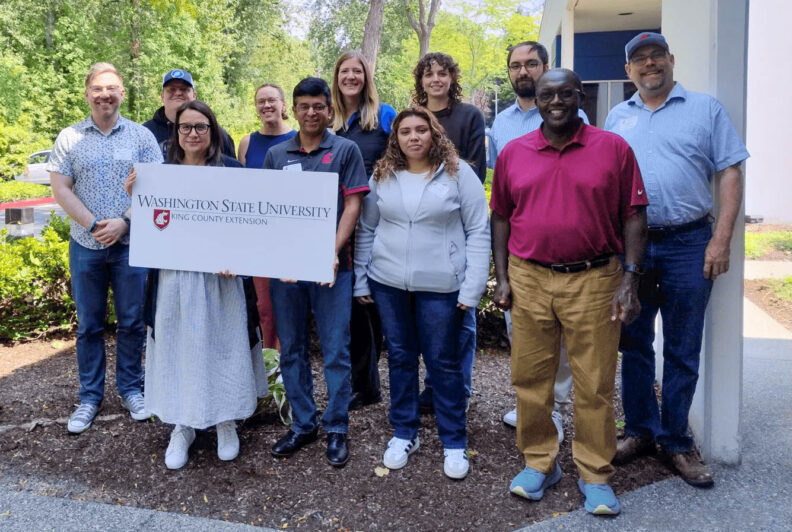
Participant feedback was overwhelmingly positive. Across both sessions, attendees rated the overall quality of instruction an average of 4.9 out of 5, with the large majority scoring every category as “Exceptional.” One participant called it “one of my favorite trainings I’ve taken in a while,” while another wrote that “this is brand new material, and the course was very valuable.” Others praised the instructors as “very knowledgeable” and the explanations as “very clear,” noting that “the manual and resources are very helpful to facilitate understanding.”
Just as important, participants pointed to the practical value of the training. Extension professionals highlighted “learning how to help the growers with traceability” and gaining “tools to help teach,” equipping them to carry the knowledge into their own communities. Industry attendees described the material as “very practical to apply,” a direct benefit to the companies, growers, and food businesses that anchor the region’s economy. By preparing local firms to meet federal requirements ahead of the 2028 deadline, the program strengthens the competitiveness and resilience of the Pacific Northwest food sector.
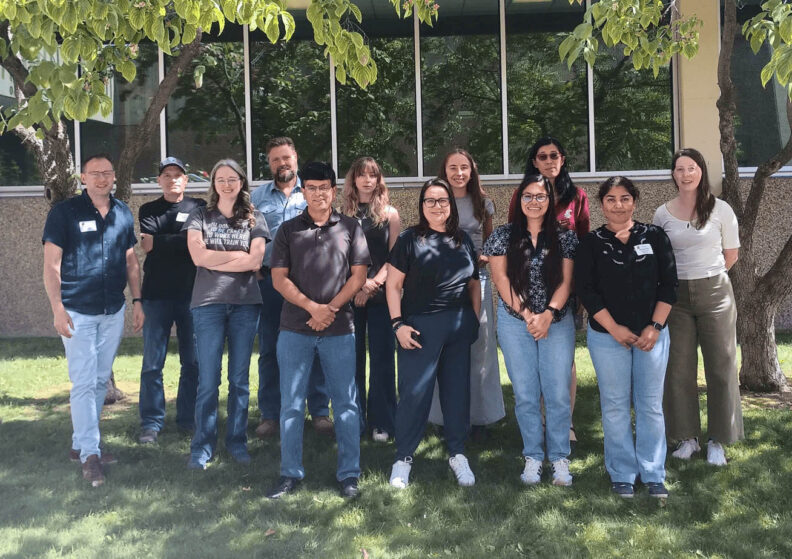
These trainings embody Extension’s core purpose: a collaborative function of the land grant university that translates research and federal regulation into practical tools for the people who need them. In keeping with the USDA Extension mission, WSU brought together university faculty, county Extension offices, industry, and regulators to serve the public good.
The Food Processing Extension and Research Program will continue to offer FTR training as the July 2028 compliance deadline approaches. To subsidize these training sessions for small- and medium-sized growers and processors, Dr. Ganjyal and collaborators are pursuing USDA and WSDA grants.