BAKU, Azerbaijan — How can artificial intelligence make food safer, cut waste, and create economic opportunity? Gülhan Ünlü, a faculty member in Washington State University’s School of Food Science, took that question to Azerbaijan in September as an Alumni MAX U.S. Speaker, a program sponsored by the U.S. Embassy in Azerbaijan. Hosted by the School of Agricultural and Food Sciences (SAFS) at ADA University in Baku from Sept. 18–22, Ünlü presented a week of talks, roundtables, and classes on AI and advanced technologies in food systems. The visit reached more than 180 students, alumni, industry leaders, researchers, and government representatives.
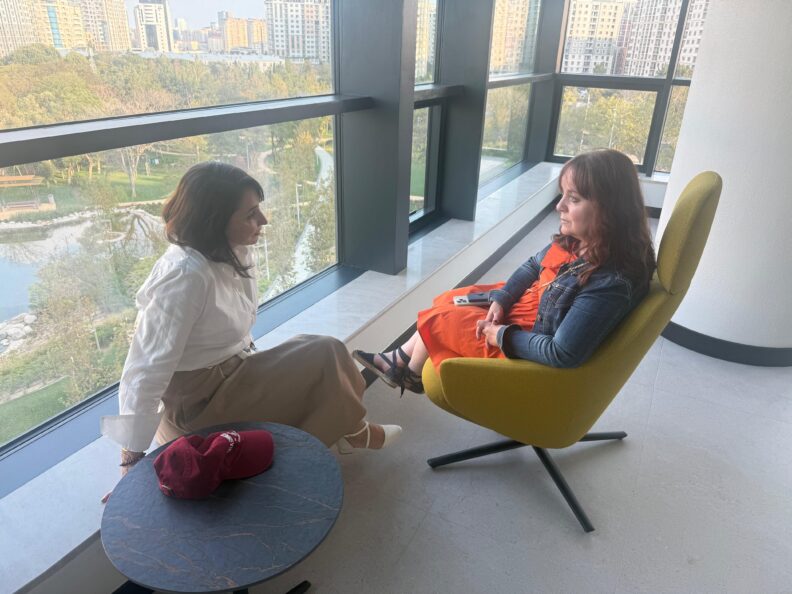
The visit grew out of a friendship that started in Pullman. Associate Dean Saida Aliyeva who coordinated the program at ADA University, spent time at WSU several years ago as a Fulbright Scholar, working with Professor James Petersen in the Gene and Linda Voiland School of Chemical Engineering and Bioengineering. During her time in Pullman, she and Ünlü met through common friends. Years later, Aliyeva brought Ünlü to Baku through the Alumni MAX program.
“Saida and I met at WSU, and it was a joy to see her thriving in Baku and to work together.” Ünlü said.
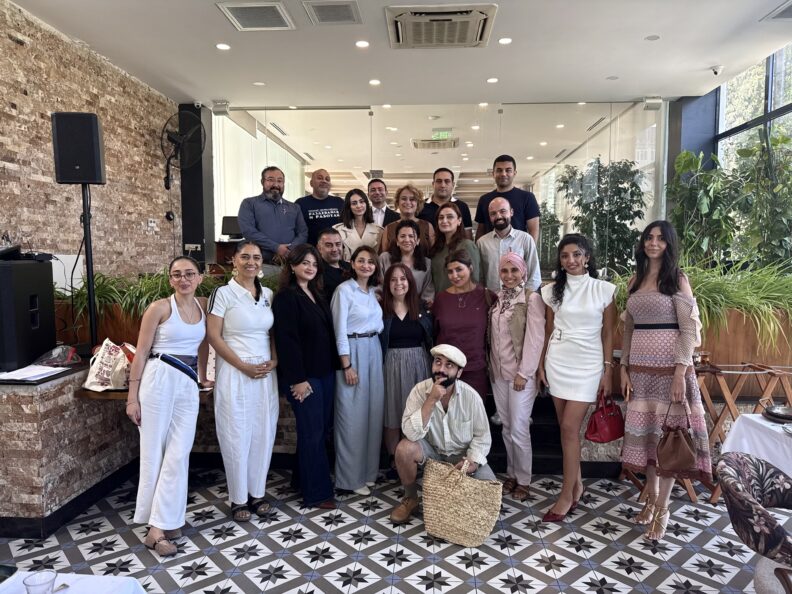
The program opened with online dialogues with members of the U.S. Educated Azerbaijani Alumni Association (AAA) on how advanced technologies can support local food businesses. A breakfast meeting in Baku brought together more than 30 alumni and invited guests from many fields to discuss AI in their own lines of work. At an industry roundtable on Sept. 21, about 25 senior leaders explored the economic impacts of AI adoption and the workforce skills it demands.
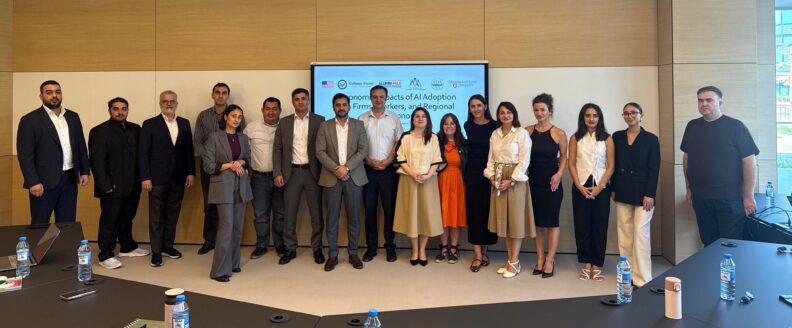
Participants represented food and beverage producers, agro-processors, retailers and distributors, research institutes, the Azerbaijan Food Safety Institute, and the Ministry of Agriculture. Topics ranged from computer vision and digital traceability to supply-chain resilience, investment barriers, and data ownership. Ünlü also taught an interactive class for ADA SAFS students on Sept. 21.
The visit culminated on Sept. 22 with a public keynote, “AI and the Future of Food,” attended by 125 people, including students from ADA and other Azerbaijani universities, U.S. government exchange alumni, entrepreneurs, and food-industry professionals. The event, which also featured remarks from Mr. Randy Cole, Cultural Affairs Officer at the U.S. Embassy in Azerbaijan, Dean Matteo Vittuari, and Saida Aliyeva, and closed with an open discussion on where AI can create the greatest opportunity for Azerbaijan’s food sector.
“The questions people asked in Baku were the same ones we’re working on in Pullman: how to use AI to keep food safe, reduce waste, and prepare the next generation of food scientists.” Ünlü said.
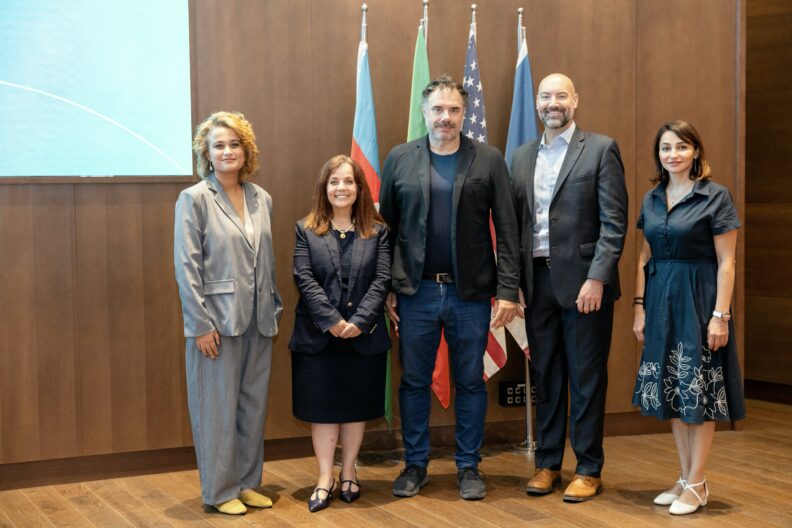
The visit is already producing new partnerships. Plans are underway to connect SAFS students with WSU Food Science students for communication and joint projects, and a regional participant working on AI in animal husbandry will be introduced to WSU experts. ADA faculty and students have also expressed interest in a future roundtable on water-related research and innovation.
Beyond the classroom, Ünlü explored Baku’s Old City, the Heydar Aliyev Center, and the Azerbaijan National Carpet Museum. “What I’ll remember most is the kindness and generosity of the people I met.” Ünlü said.
The Alumni MAX U.S. Speaker Program is supported by the U.S. Department of State’s International Exchange Alumni network and the U.S. Embassy in Azerbaijan.