Director’s Corner
Welcome to the latest in School of Food Science News! In this issue, we highlight updates on the WSU Creamery Revitalization Project, the achievements made by our students and faculty, and the landmarks our labs have made in the field of food science.
If you would like to support us and our endeavors fostering the next generation of food scientists, please consider donating to the School of Food Science and make a lasting impact on future leaders in food innovation. More details on how to donate are provided here on our website. We’re grateful to have you alongside us as we continue this important work.
Sincerely,
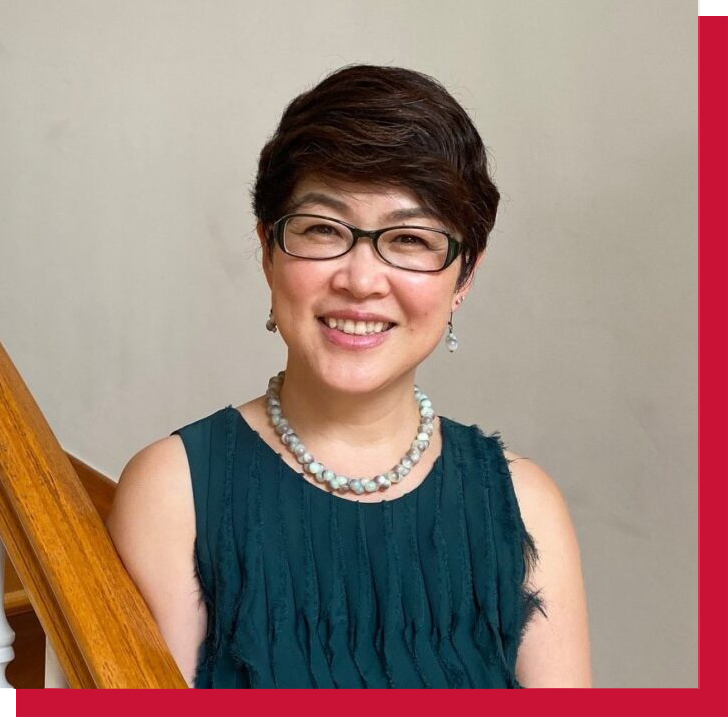
Soo-Yeun Lee
Professor and Director
WSU Creamery Revitalization Project
We are excited to share that the WSU Creamery will be getting a refresh! The WSU Board of Regents approved $13.5 million to upgrade equipment, which will allow the Creamery to increase cheese production and provide student employees with more relevant work experience. One vital piece of equipment getting replaced is the cheese vat, doubling in size from a 15,000 pounds of milk capacity to 30,000 pounds. Additional upgrades include a new pasteurizer, finishing table, and sanitation system. Once construction is complete, the Creamery’s annual cheese production will increase from 250,000 cans of cheese to 350,000 cans.
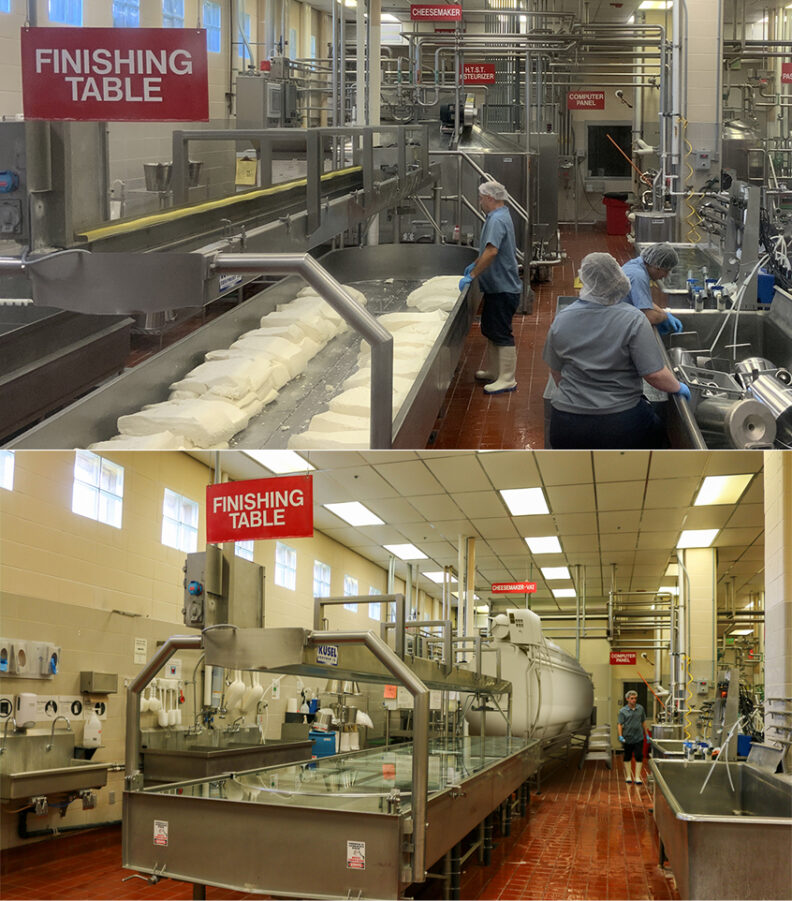
The revitalization is scheduled to begin in May of 2026 and completed by July of 2028. Not to worry though, the Creamery is already increasing production so as not to run out of cheese during the three-month construction period within the project duration.
“It’s a long timeline, but we’re all very excited about these necessary improvements,” John Haugen, WSU Creamery Manager, stated in an interview with Seth Truscott. “Cougar Gold and the Creamery play a big role in how the world sees WSU. Having new equipment to meet demand while improving the student experience will benefit everyone.”
Student Success
The School of Food Science celebrated another outstanding year of student achievement, leadership, and engagement! Between summer of 2025 to spring 2026, we had 9 undergraduate students and 10 graduate students graduate.
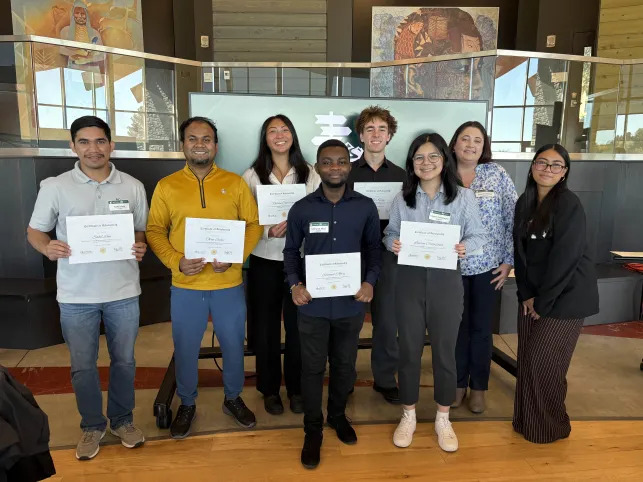
In October of 2025, six students received scholarships during the Crossroads Summit with Cascadia IFT (Figure 2). The awarded doctorate students were Sahil Nain, Otun Saha, and Edmund Larbi Afari, and the awarded undergraduate students were Natalie Camerino, Lauren Crisostomo, and Sherine Ortiz.
Ph.D. student Barakatullah Mohammadi was awarded the 2025–2026 Food Safety Auditing Scholarship in December of 2025. That same month, Dr. Carolyn Ross and M.S. student Erin Macedo were featured in both the WSU Insider and The Spokesman-Review for their Christmas tree sensory panel.
In February of this year, Ph.D. student, Osasere Igbinoba was highlighted as the Leadership Development Student Representative in the IFT Sensory and Consumer Sciences Division.
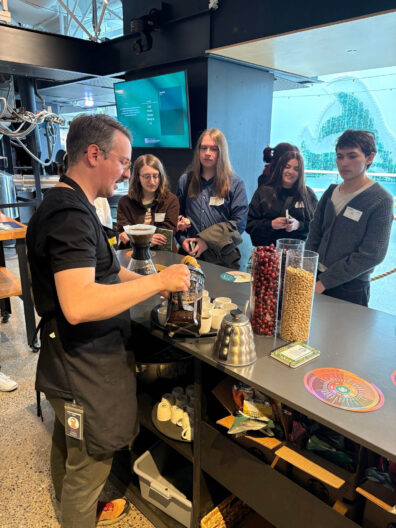
Also in February, the Food Science club went on their annual industry trip! This year, they toured Maeve Chocolate, Hellenika, Ellenos, CuliNex, Starbucks, IFT Suppliers Night, and Oberto Snacks (Figure 3).
This past March, Barakatullah Mohammadi went to Washington D.C. with the FFAR Fellows Program for a whole week. During that time, he participated in a variety of different trainings but also met with congressional staff to discuss the importance of agricultural research and its impact on food systems and public health.
Later that same month, M.S. student Jayden Scott won 3rd place in the Agricultural and Natural Resource Sciences category of the annual GPSA Research Expo. He presented, “Taste and Texture Comparison Among White Cheddar Varieties Evaluated Through Descriptive Sensory Analysis.”
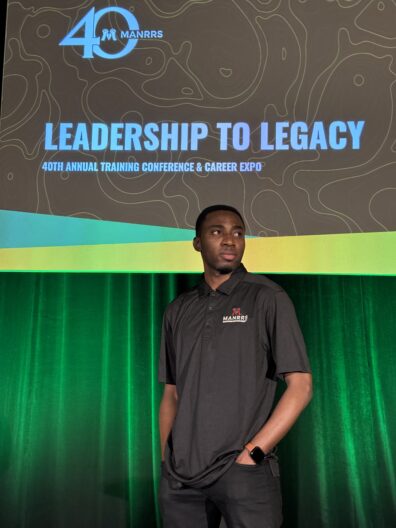
Student achievements continued throughout April and May. Doctorate student Paul Dahunsi received the Minorities in Agriculture, Natural Resources, and Related Sciences (MANRRS) Gold Scholarship and attended the MANRRS 40th Annual Training Conference and Career Expo in Dallas, Texas (Figure 4). He was also selected as a fellow in the American Society for Microbiology Future Leaders Mentorship Fellowship.
Ph.D. students Aniket Kamboj and Sahil Nain both were awarded with the Anne and Russ Fuller Fellowship for Interdisciplinary Research Scholarship for the 2026–27 academic year.
The annual CAHNRS Student Awards celebrated the accomplishments of several Food Science students. Undergraduate student Natalie Camerino served as the event’s co-host while also being recognized as our Outstanding Senior (Figure 5). Reflecting on the honor, Natalie shared, “It felt great to be appreciated for all the hard work I’ve done for the Food Science department and our college! Doing a combination of undergraduate research, CAHNRS ambassador work, and leading the Food Science Club and Food Science Product Development Club were very rewarding in making connections and relationships in the WSU community and with industry professionals.”
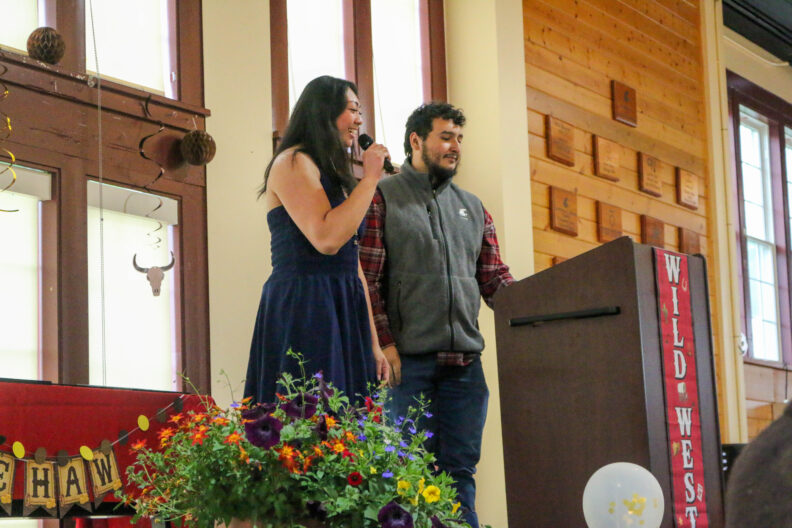
This summer, Natalie is working at Merry Cellars and Regency Pacific Management, both based in Pullman. At Merry Cellars, she assists the head winemaker and serves wine and charcuterie boards in the tasting room. At Regency, she is both a cook and dietary aid, cooking and serving for around 70 residents. “I am most excited for the job opportunities that will come my way and starting my own business within the next two years,” Natalie stated.
Two other students were also celebrated the night of the CAHNRS Student Awards. Ph.D. student Edmund Larbi Afari won the CAHNRS Graduate Student Leadership Award and Osasere Igbinoba won the CAHNRS for All Graduate Excellence Award.
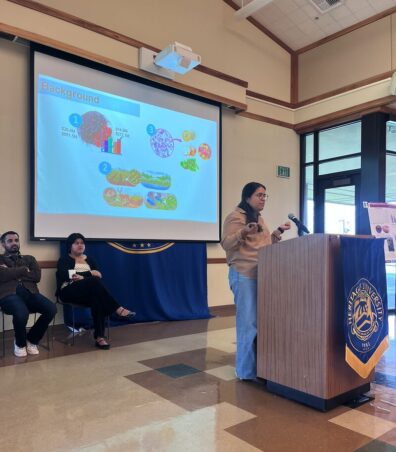
Over in Prosser, M.S. student Miriam Ruiz won second place in the 2026 Honoring Undergraduate and Graduate Scholars Symposium for Oral Presentations (Figure 6).
Closing out the Spring 2026 semester, undergraduate student Lauren Crisostomo earned the Virginia Dare Award for academic excellence and outstanding achievement in the study of food science.
We are incredibly proud of our students and all they have accomplished this year. Their hard work, dedication, and passion continue to inspire us, and we look forward to seeing all they achieve throughout the 2026–2027 academic year.
Faculty Achievements
Dr. Thuy Bernhard
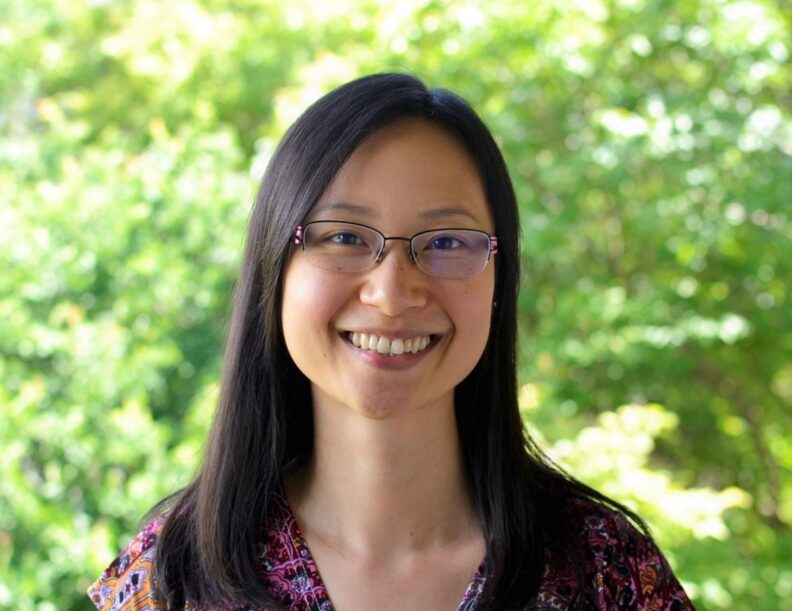
Over the past year, 24 students completed certificates through the Food Science Certificate Program that Dr. Thuy Bernhard manages and teaches.
Dr. Girish Ganjyal
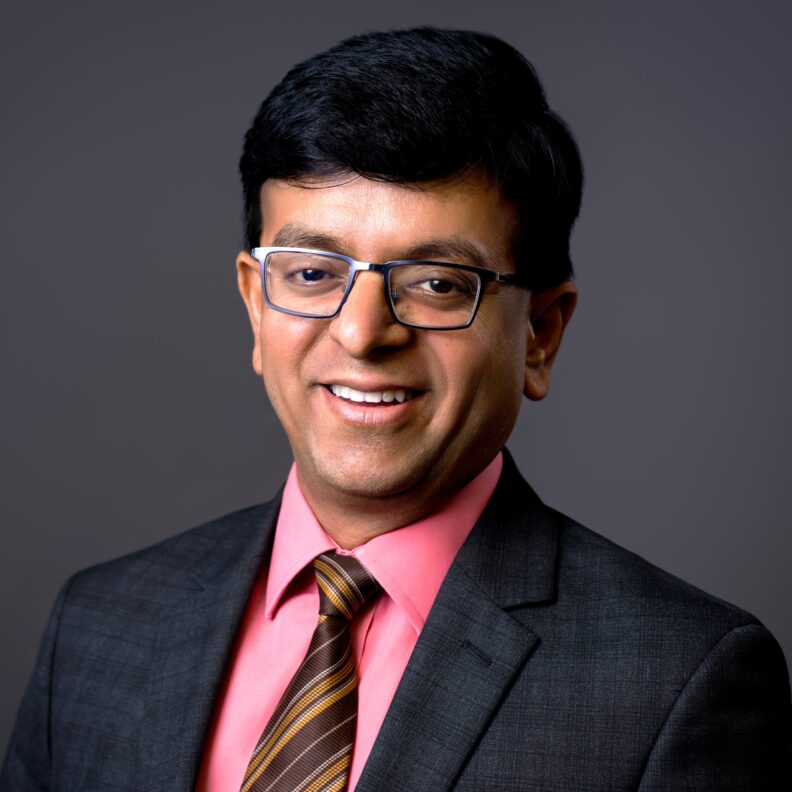
Dr. Girish Ganjyal was one of three CAHNRS faculty elected to the Washington State Academy of Sciences in 2026. He was honored for pioneering work in food processing research and extension, contributing to crop, product, and market diversity, and for providing critical training to food industry professionals to bolster both human health and the regional economic landscape.

Dr. Soo-Yeun Lee
Last January, eight members and leaders of Japan’s National Agriculture and Food Research Organization (NARO), visited our college. They met with Cashup Davis Dean Raj Khosla and others to learn about WSU research on plant breeding, AI, data & modeling, commission partnerships, and more. The international visit also included a stop at the WSU Creamery, where SFS Director Dr. Soo-Yeun Lee and Creamery Manager John Haugen outlined how the student-serving operation makes famous Cougar cheese & ice cream.

Dr. Youngsoo Lee
Dr. Youngsoo Lee was one of nine faculty to receive the Cashup Davis Dean’s Faculty Fellows award. The funding will help develop technology to create valuable products from waste generated by the dairy industry. His research uses advanced spray-drying and encapsulation techniques to convert whey and other dairy-derived materials into functional ingredients that improve nutrition, reduce waste, and support more sustainable food manufacturing.
Dr. Claire Murphy
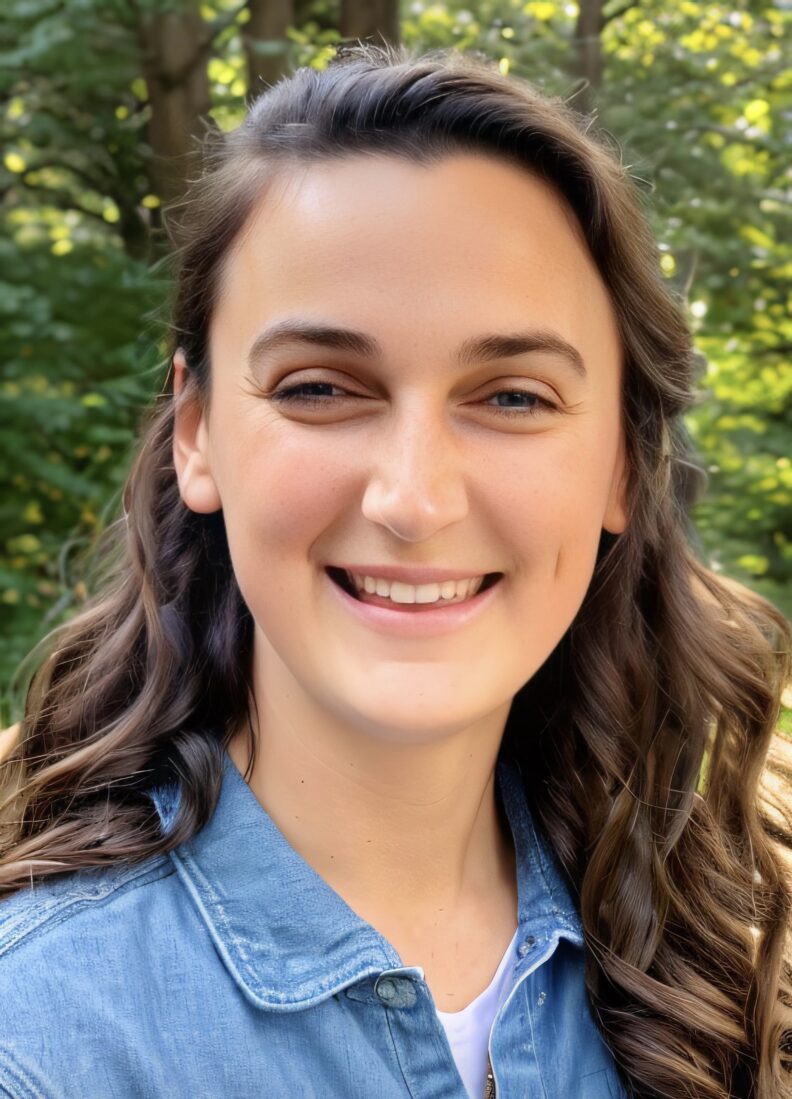
Dr. Claire Murphy was featured in the CAHNRS 2026 Confluence with the article, “WSU food scientist follows the path of produce to protect crops, consumers.” It is thanks to Dr. Murphy that consumers can safely enjoy some of the state’s most popular and delicious crops. Dr. Murphy’s program also prepares the next generation of food safety scientists. WSU graduate students gain hands-on experience with both fundamental and advanced techniques while collaborating with growers and packers to turn research into practical food safety solutions.
Dr. Adam Quinn
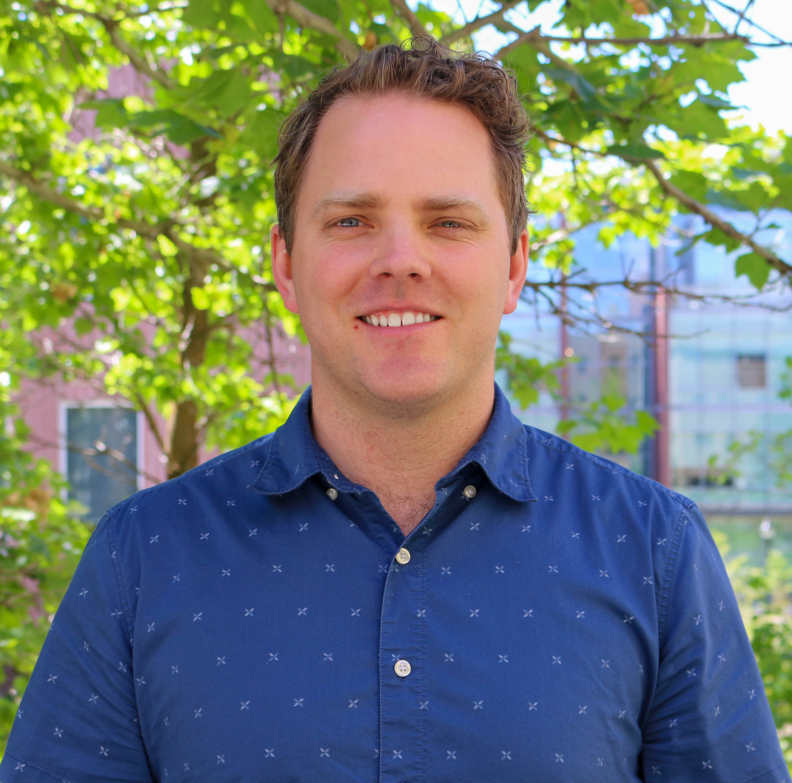
In his first year teaching at our school, Dr. Adam Quinn has instructed a total of 298 undergraduate and 11 graduate students.

Dr. Carolyn Ross
Dr. Carolyn Ross became a Scientific Editor of the Journal of Food Science, a leading peer-reviewed publication covering all aspects of food science. The WSU Sensory Science Center, in which Dr. Ross is the director of, turned 20 this year with plans of a celebration later this fall!

Dr. Stephanie Smith
Dr. Stephanie Smith continues to educate industry professionals on the best food safety practices. Over the past year, she conducted six training courses, including ServSafe Manager certified food protection manager training, Produce Safety, and a two-week intensive training for K-12 school nutrition professionals.
Dr. Gülhan Ünlü
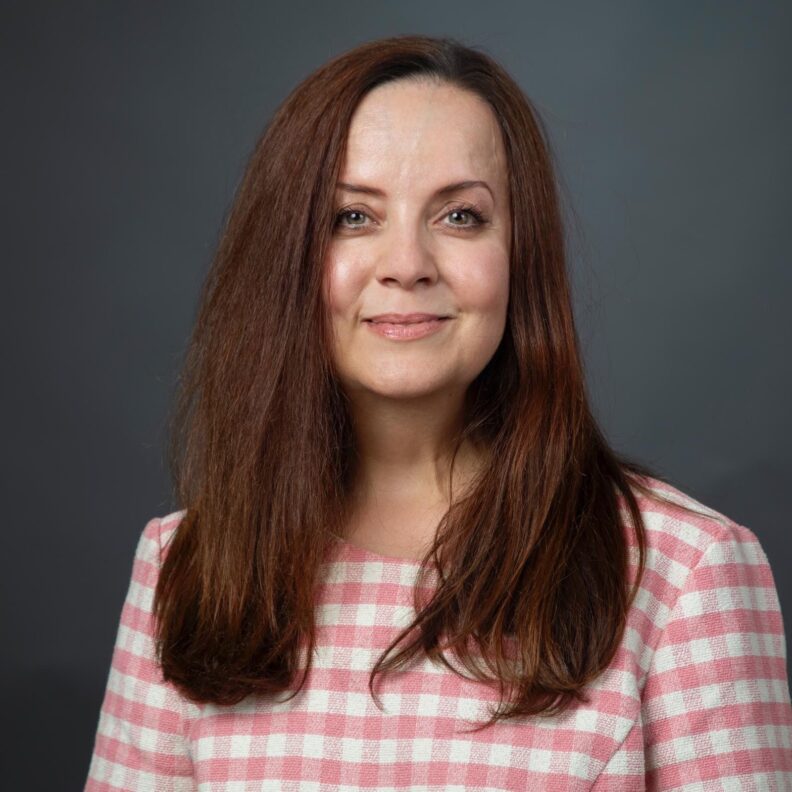
This past July, Dr. Gülhan Ünlü presented “From rind to core: Microbial signatures of pink discoloration in blue cheese,” at the American Dairy Science Association (ADSA) 2026 Annual Meeting in the Dairy Foods: Microbiology Scientific Section. Dr. Ünlü also served as the guest editor for a special issue of MDPI’s Journal, “Shaping the Future of Fermented Dairy: A Holistic View on Microbiota, Technology and Nutritional Impact.”
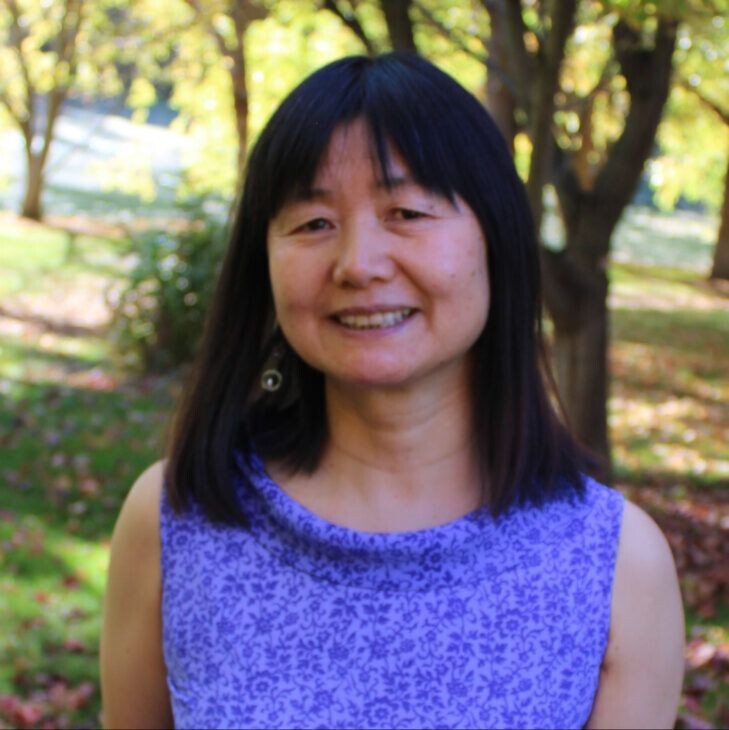
Dr. Meijun Zhu
Dr. Meijun Zhu was also elected to the Washington State Academy of Sciences last year (2024-2025), bringing the School of Food Science to two faculty members in the Academy (2026). She was recognized for her global leadership in microbial food safety, including pioneering research that transformed pathogen control in the produce industry and advanced science-based strategies for a safer food supply through innovation and industry partnerships. According to Google Scholar, Dr. Zhu has surpassed 20,000 citations this year across her 320 publications, with an h-index of 81.
Staff Updates

Natasha Abbott
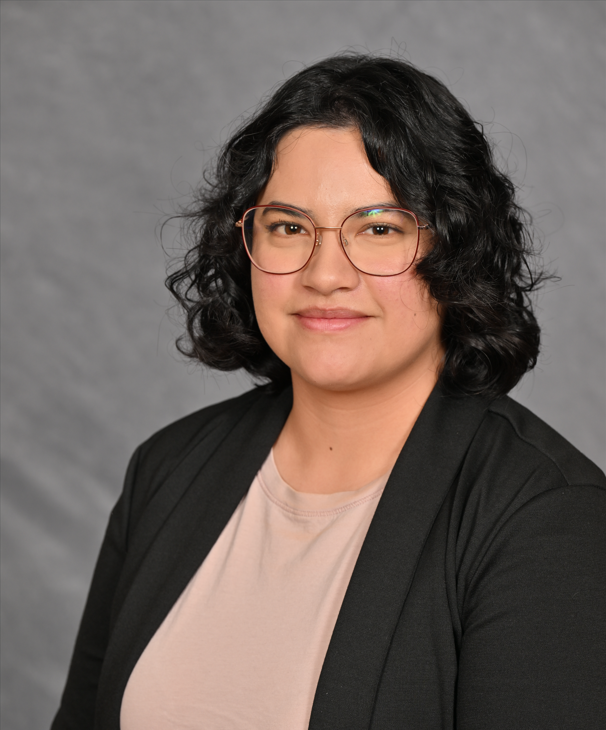
Mariana Castro
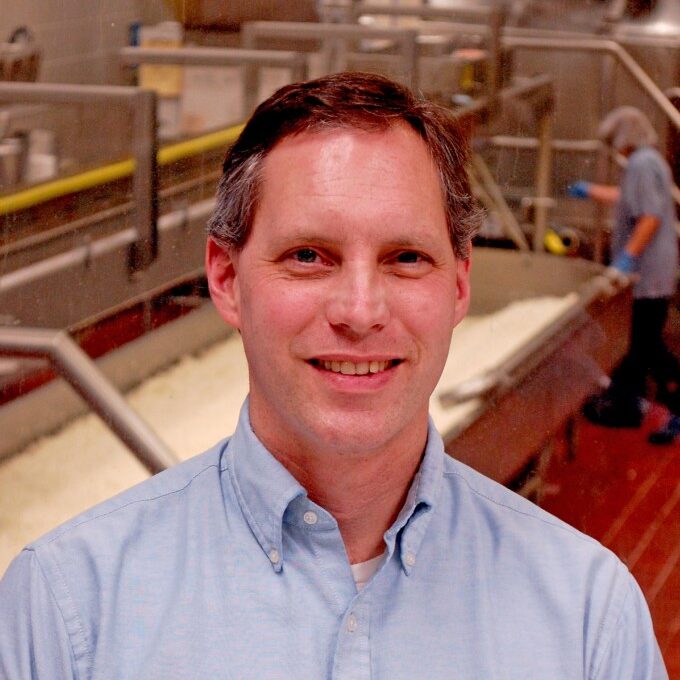
John Haugen
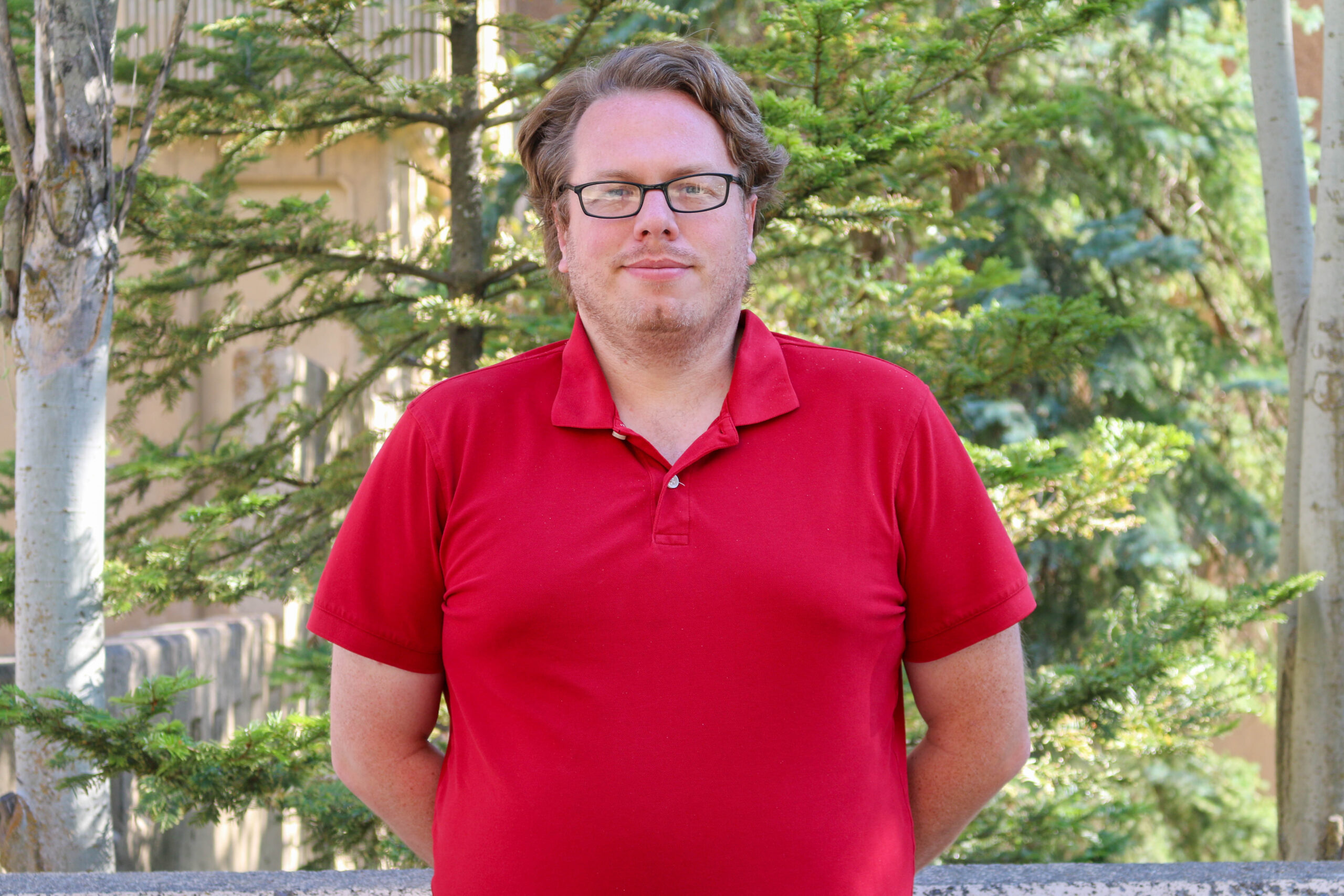
Jacob Ibsen
Jane Lawford
Simon MacRae

Brian Nyquist
Lab Landmarks
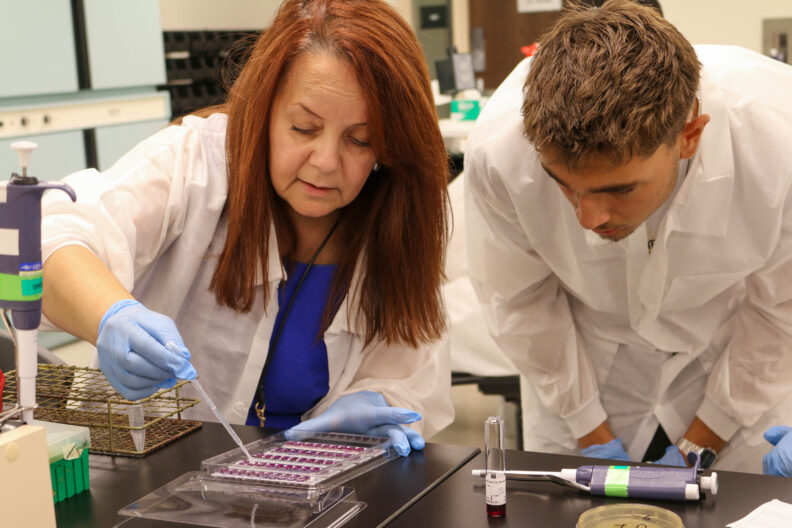
Last summer, Dr. Gülhan Ünlü and graduate students Jayden Scott, Seng Jar, and Alyssa Hansten hosted a Dairy Microbiology Workshop for high school students (Figure 7). Participants learned classical microbiology and molecular techniques, explored the science behind yogurt and other dairy fermentations, and toured the WSU Creamery. Dr. Ünlü hosted the workshop again this summer.
In September of last year, WSU was awarded funding through the USDA Specialty Crop Block Grant (SCBG) Program to explore innovative ways of preserving Washington’s sweet cherry crop. The project, titled “Producing High-Quality, Shelf-Stable Sweet Cherries using Vacuum Microwave Drying (VMD) Technology,” is led by principal investigator (PI), Dr. Youngsoo Lee, alongside co-investigators Dr. Kang Huang and Dr. Claire Murphy. The study aims to apply Vacuum Microwave Drying (VMD) and edible coatings to transform fresh sweet cherries into a shelf-stable, intermediate-moisture product.

Last December, Dr. Meijun Zhu began leading a biocontrol project in collaboration with Manoella Mendoza, the Research Operations Manager for the Washington Tree Fruit Research Commission. The goal of the project is to evaluate the efficacy of biocontrol agents against decay organisms naturally present on fruit surface and on apples artificially inoculated with Penicillium expansum and Botrytis cinerea.
Dr. Girish Ganjyal’s publication, “Value‐added pancakes: Incorporation of whole wheat, buckwheat, quinoa, and proso millet flour into pancakes and their effect on product quality” is ranked within the top 10% of most-viewed papers published by the Cereals & Grains Association’s Cereal Chemistry Journal in 2024. Doctorate student Elizabeth Nalbandian was the first author of the publication and undergraduate student Natalie Camerino was an undergraduate researcher who assisted with the project (Figure 8).
Dr. Carolyn Ross’ article, “Comparative assessment of Riesling wine fault development by the electronic tongue and a sensory panel” was published in the Journal of Food Science. It was also within the top 10% of most-viewed papers published by the journal in 2024. Doctorate student Rachel Potter was the graduate student primarily working on the project.
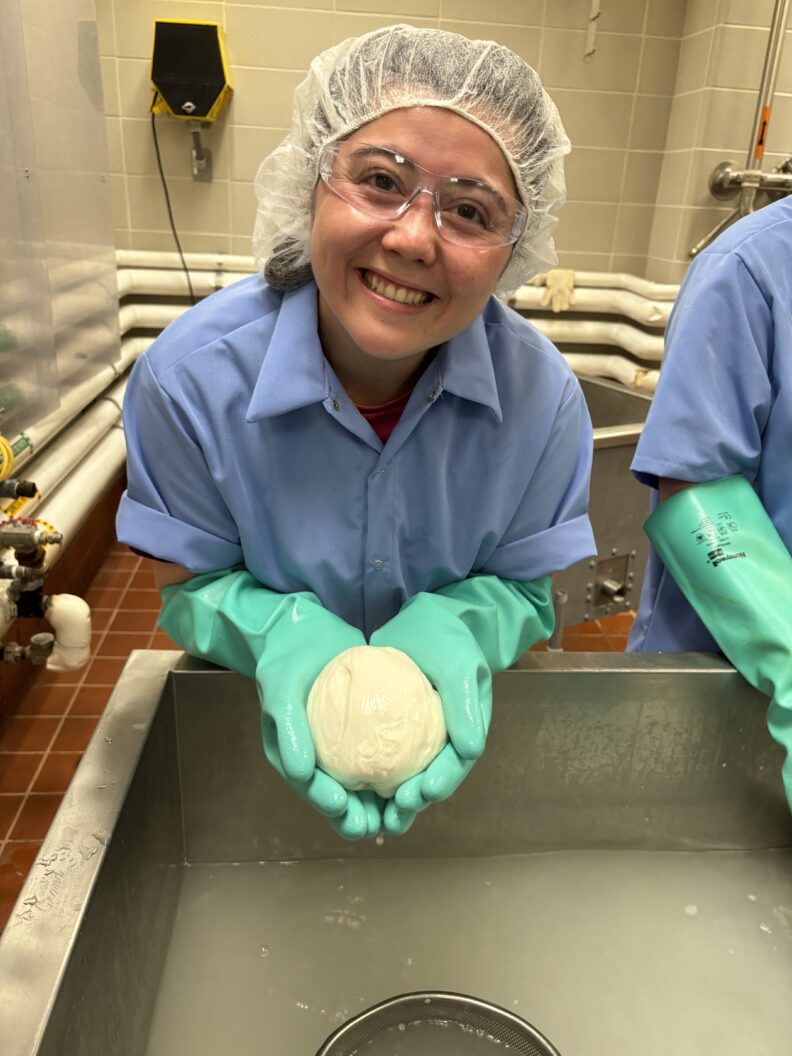
Katherine Rehberger, a former master’s student in Dr. Carolyn Ross’ lab who graduated last year, published her research, “Sensory, physical and functional properties of part-skim, pasta fillet mozzarella made with or without Lacticaseibacillus casei Adjunct Culture,” in The Journal of Food Science in April of this year (Figure 9).
In 2024, Dr. Stephanie Smith (Principal Investigator) along with Drs. Girish Ganjyal, Youngsoo Lee, and Claire Murphy all received USDA funding to teach food safety and source best practices to those overseeing public school meals. The 22-module curriculum, which is wrapping up this summer, focused on food microbiology, pathogen control, sanitation best practices, and school food program risk analysis. “We want to ensure that youth are eating safe foods that have been handled properly,” Dr. Stephanie Smith stated in an interview with Joe Roberts. “We know that childhood nutrition impacts health outcomes later in life, so it’s really important that the foods they consume meet food safety best practices.”
These lab landmarks reflect the innovation, collaboration, and dedication of our school. As our research continues to grow, so does its impact on benefiting Washington’s agricultural industries, strengthening food systems, and helping shape the future of food science.
Thank you!
We are grateful to have you alongside us as we look ahead to another exciting academic year. Your continued support, engagement, and partnership are an important part of our success, and we are excited about all that the coming year has in store.
Go Cougs!